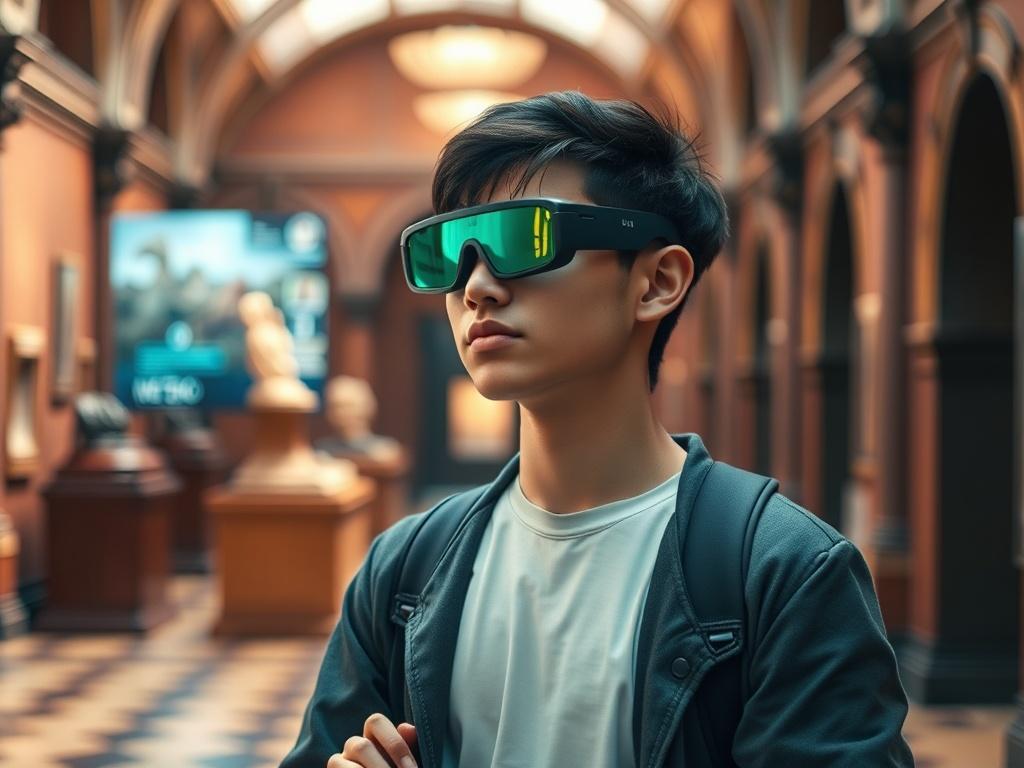
In today’s rapidly evolving digital landscape, museums are stepping into the future by embracing augmented reality (AR) to enhance visitor experiences. Discover how AR transforms visitor engagement in cultural spaces by providing dynamic, interactive elements that breathe new life into traditional exhibits. As technology continues to advance, museums are finding innovative ways to captivate audiences, enabling them to connect with art, history, and science in ways that were once unimaginable.
AR not only enriches the visitor experience but also lends itself to the creation of immersive storytelling opportunities that captivate diverse audiences. Transforming exhibitions with AR allows museums to present narratives that invite deeper exploration and understanding, redefining the way we perceive cultural artifacts. Unlocking new possibilities, these augmented experiences foster a greater appreciation for our shared heritage, ensuring that cultural spaces remain relevant and engaging in the digital age. With a forward-thinking approach, museums can harness the power of AR to shape the future of cultural experiences and foster lasting connections with their visitors.
Discover how AR enhances visitor engagement in cultural spaces
Augmented reality (AR) revolutionizes the way visitors interact with cultural spaces by adding a dynamic layer of information and experience. Museums can now transform traditional exhibits into engaging journeys that captivate audiences of all ages. As visitors walk through galleries, they can use their smartphones or AR glasses to access interactive content, such as 3D models, videos, and contextual information, that complements the physical artifacts on display. This integration of technology enables a more personalized experience, allowing individuals to explore artworks or historical items at their own pace and in a way that resonates with their interests.
Moreover, AR facilitates deeper connections between visitors and the narratives behind the exhibits. By offering real-time translations, historical context, or artist insights, AR brings artifacts to life, enriching the overall experience. This technology can adapt to diverse learning styles, catering to both visual and auditory learners and enhancing overall satisfaction. As cultural spaces embrace AR, they foster a sense of curiosity and wonder, encouraging visitors to not only observe but actively engage with the content. In doing so, AR fosters a more immersive and memorable experience that leaves an enduring impact on museum-goers.
Transforming exhibitions: The dynamic role of augmented reality in museums
Augmented reality (AR) revolutionizes the way visitors interact with exhibitions in museums, offering dynamic experiences that traditional displays cannot match. Imagine standing in front of a centuries-old painting, and with a simple scan of your smartphone, the artwork comes to life with animations that reveal the artist's process, the historical context, and even the stories behind individual brush strokes. This immediate access to layered information not only enhances understanding but also captivates the audience, encouraging deeper engagement with the exhibits. Museums that embrace AR harness this technology’s power to turn static displays into interactive journeys, inviting visitors to participate actively rather than passively consume information.
Moreover, AR enables museums to curate personalized experiences tailored to individual preferences. Through interactive features, visitors can choose which aspects of an exhibition they want to explore further, such as retrieving additional facts about certain artifacts or watching 3D reconstructions of historical events. This customization fosters a sense of ownership over the learning experience, making exhibitions more memorable and impactful. As AR technology continues to evolve, it promises to transform the traditional museum visit, turning cultural spaces into vibrant, dynamic environments where history and creativity intertwine effortlessly.
Unlocking new possibilities: AR as a tool for immersive storytelling in cultural experiences
Augmented reality (AR) revolutionizes storytelling in museums by bridging the gap between the past and the present. Through interactive elements such as virtual guides and animated exhibits, AR brings artifacts to life, allowing visitors to engage with history in a dynamic way. For instance, a simple display of ancient pottery can transform into a rich narrative experience, with 3D models showcasing the pottery’s use in daily life or its significance in rituals. This innovative technology enables museums to present complex ideas and histories in a more relatable and immersive manner, sparking visitors' curiosity and encouraging deeper reflection on cultural narratives.
AR also empowers museums to create personalized experiences tailored to individual interests. By simply pointing a smartphone at an exhibit, visitors gain access to customized content that aligns with their unique preferences. This self-directed exploration not only enhances the overall visitor experience but also encourages people to engage more deeply with the exhibit. Furthermore, AR can integrate sound, video, and interactive graphics to enrich storytelling, providing multifaceted layers of information that traditional displays cannot offer. By embracing augmented reality, cultural spaces are not only enhancing their storytelling capabilities but are also inviting guests to become active participants in their own learning journey.