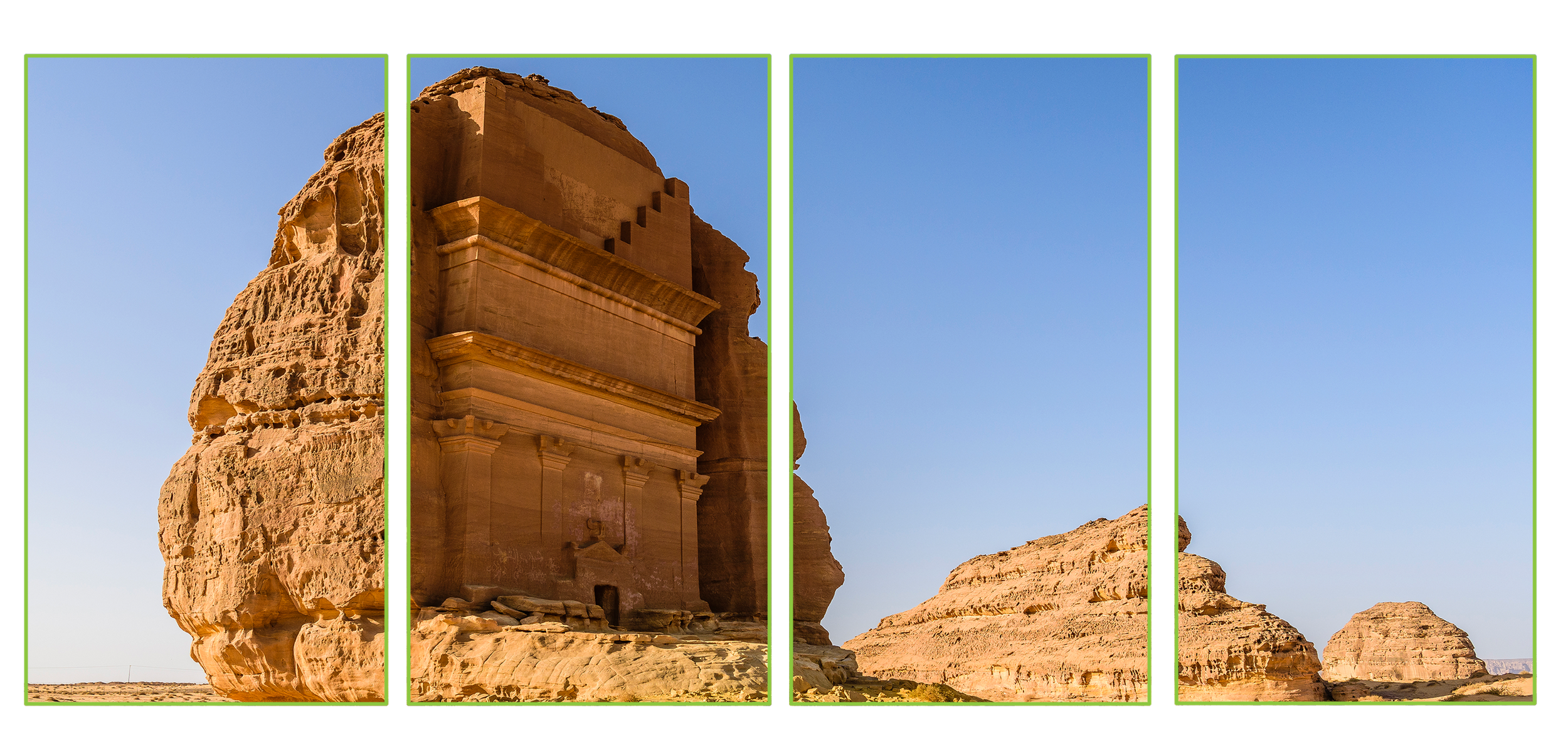
Saudi Arabia's tourism sector is undergoing a remarkable transformation, thanks to a groundbreaking partnership between the Royal Commission for AlUla (RCU), ARtGlass, and NOUS Digital. In November 2023, they introduced the Middle East’s first wearable Extended Reality (XR) tour at the majestic archaeological site of Hegra, the kingdom's first UNESCO World Heritage site. This innovative experience not only excites visitors from around the globe but also sets a new standard for how technology can enhance cultural exploration.
Hegra, with its 111 monumental tombs and stunning rock-carved ceremonial spaces, serves as a perfect backdrop for this immersive journey. The two-hour Living Museum tour transports participants back to the heart of the ancient Nabataean civilization, revealing the secrets of a vibrant society that flourished alongside the Roman, Greek, and Egyptian empires. Through a blend of 3D visuals, captivating audio, and transparent lenses that merge the real and virtual worlds, visitors can explore Hegra's breathtaking landscape while uncovering layers of its rich history. This innovative approach not only elevates the visitor experience but also demonstrates RCU's commitment to sustainable tourism by protecting the integrity of Hegra's delicate features.
Transforming tourism with innovative technology: The RCU's vision for AlUla
The Royal Commission for AlUla (RCU) is boldly redefining Saudi Arabia’s tourism landscape through its visionary partnership with ARtGlass and NOUS Digital. By launching the Middle East’s first wearable Extended Reality (XR) tour in November 2023, RCU sets a new standard for engaging tourists at Hegra, the kingdom's first UNESCO World Heritage site. This groundbreaking initiative aims to captivate visitors from across the globe, inviting them to experience the rich cultural heritage of AlUla while showcasing the region's unique archaeological treasures.
With the Living Museum tour, the RCU combines cutting-edge technology with rich storytelling to create a seamless blend of past and present. As tourists navigate through Hegra’s monumental tombs and ceremonial spaces, they encounter layers of history that would otherwise remain hidden. This innovative approach not only enhances tourists' understanding of the Nabataean civilization but also positions AlUla as a modern destination that respects and preserves its historical legacy, paving the way for a sustainable future in exploration and tourism.
Immersive experiences that bring Hegra's history alive
The Living Museum tour at Hegra delivers an extraordinary experience, transporting visitors through time to the heart of the Nabataean civilization. With cutting-edge Extended Reality (XR) technology, tourists engage in an interactive journey that vividly recreates the splendor of this ancient society. As they don wearable devices, guests witness the bustling life of Hegra unfold around them, complete with rich visuals and dynamic audio that narrate the stories of its past. Through this innovative approach, the tour taps into the imagination, offering a unique perspective on the city's pivotal role in trade and culture, paralleling that of the Roman, Greek, and Egyptian empires.
Moreover, the tour amplifies the archaeological site's natural beauty while providing unprecedented access to areas that are typically off-limits. By incorporating holograms of historical figures and repositioned artifacts, the experience deepens visitors' connections to the ancient world, making history tangible. Users explore rock-carved tombs and ceremonial spaces as digital enhancements reveal the layers of history etched into Hegra's surroundings. This blend of the real and virtual not only captivates tourists but also cultivates a greater appreciation for the cultural significance of Hegra, ensuring that its stories continue to resonate with future generations.
Sustainable tourism practices: Balancing heritage and modern innovation
The Royal Commission for AlUla (RCU) prioritizes sustainability by merging heritage conservation with cutting-edge technology. The introduction of the wearable Extended Reality (XR) tour at Hegra exemplifies this commitment. By utilizing ARtGlass technologies, the experience offers a way for visitors to engage deeply with the site's rich history without causing physical wear on its ancient structures. This approach allows tourists to appreciate the magnificent tombs and ceremonial spaces while minimizing their environmental footprint. As tourists embark on the Living Museum tour, they can marvel at Hegra's grandeur while knowing that their exploration aligns with sustainable tourism practices.
Moreover, the innovative XR technology fosters a greater sense of responsibility among visitors. By allowing access to restricted areas and presenting holograms of historical figures, the tour educates tourists about the significance of preserving their heritage. Engaging storytelling combined with immersive visuals encourages visitors to connect with Hegra on a personal level, elevating their experience beyond mere observation. This interactive engagement cultivates a shared understanding of the need to protect such invaluable sites for future generations while celebrating the advancements of modern technology. Ultimately, RCU's initiative demonstrates that sustainable tourism can thrive through innovation, ensuring that AlUla continues to be a destination that honors its rich past while embracing the future.